Allies Teach Better Than Enemies: Inverse Adversaries for Robust Knowledge Distillation
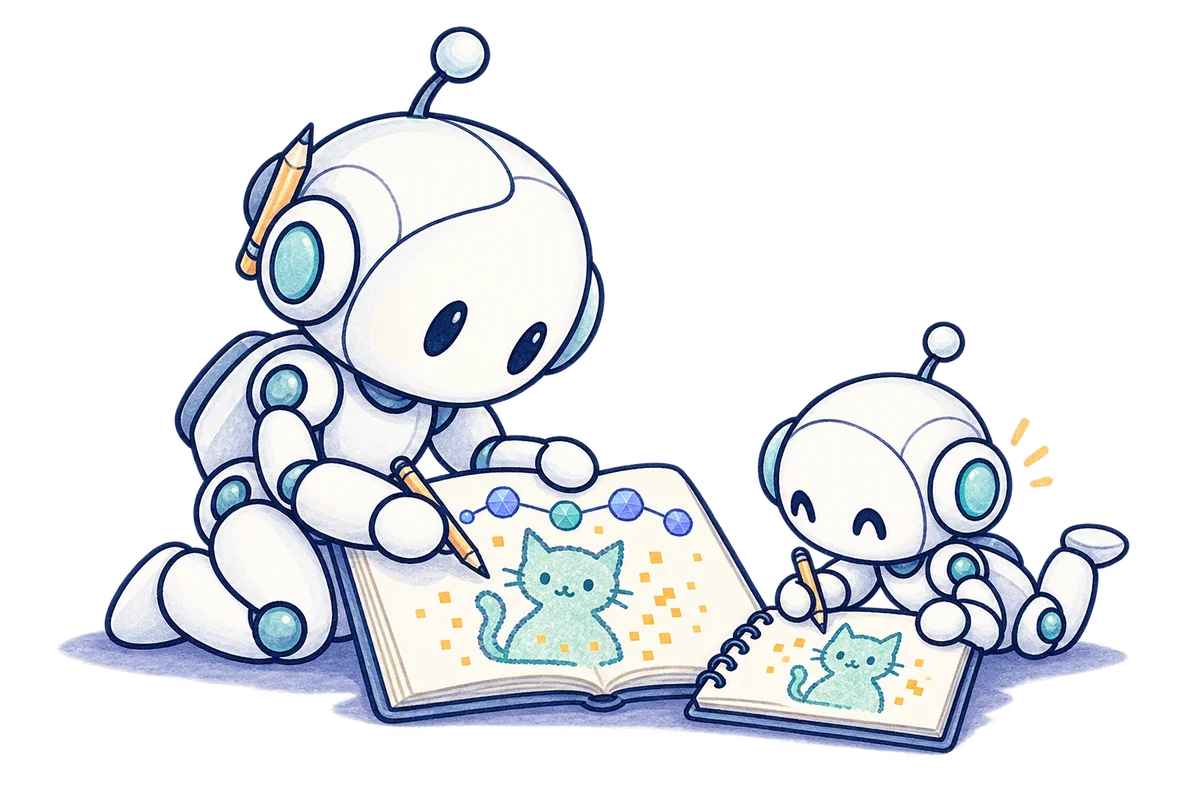
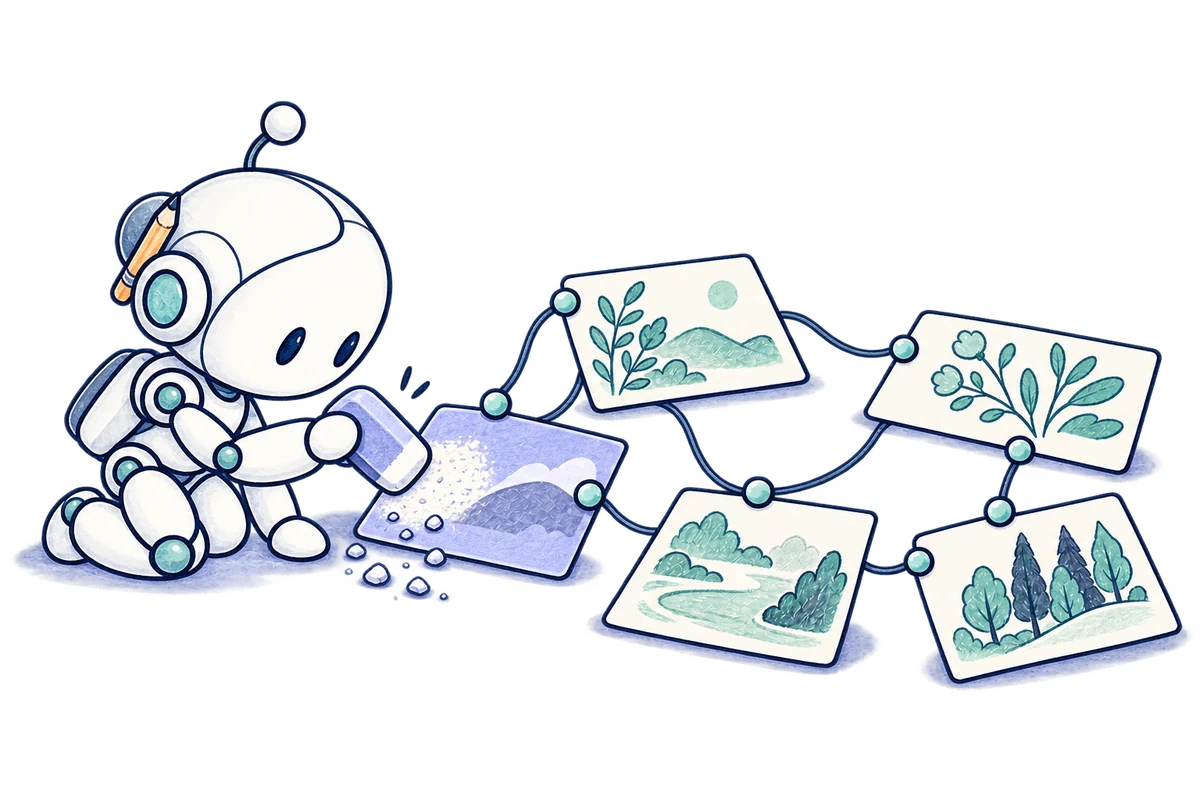
Inverse adversarial examples help a smaller student learn a teacher’s robustness.
M.Sc. Computer Science Sharif University of Technology
How models learn
and how to improve them
I’m a master’s student in Computer Science at Sharif University of Technology. I previously completed two bachelor’s degrees at Tehran Polytechnic, in Computer Science and Mathematics. I’m curious about how models learn and how understanding them can help us make them work better in practice. I like using both proofs and experiments to work things out. My interests include privacy, robustness, uncertainty, and reasoning, but I often find myself following questions beyond the topics of my current papers.
Choose a topic to explore
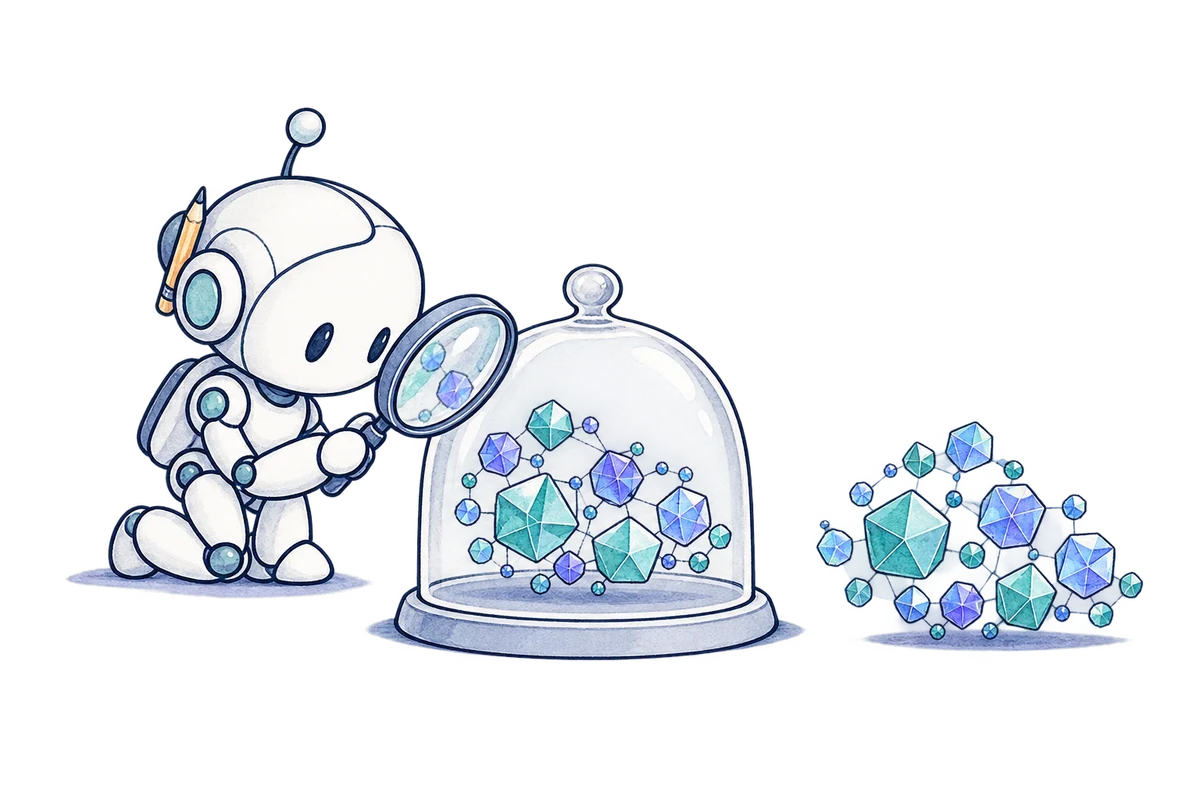
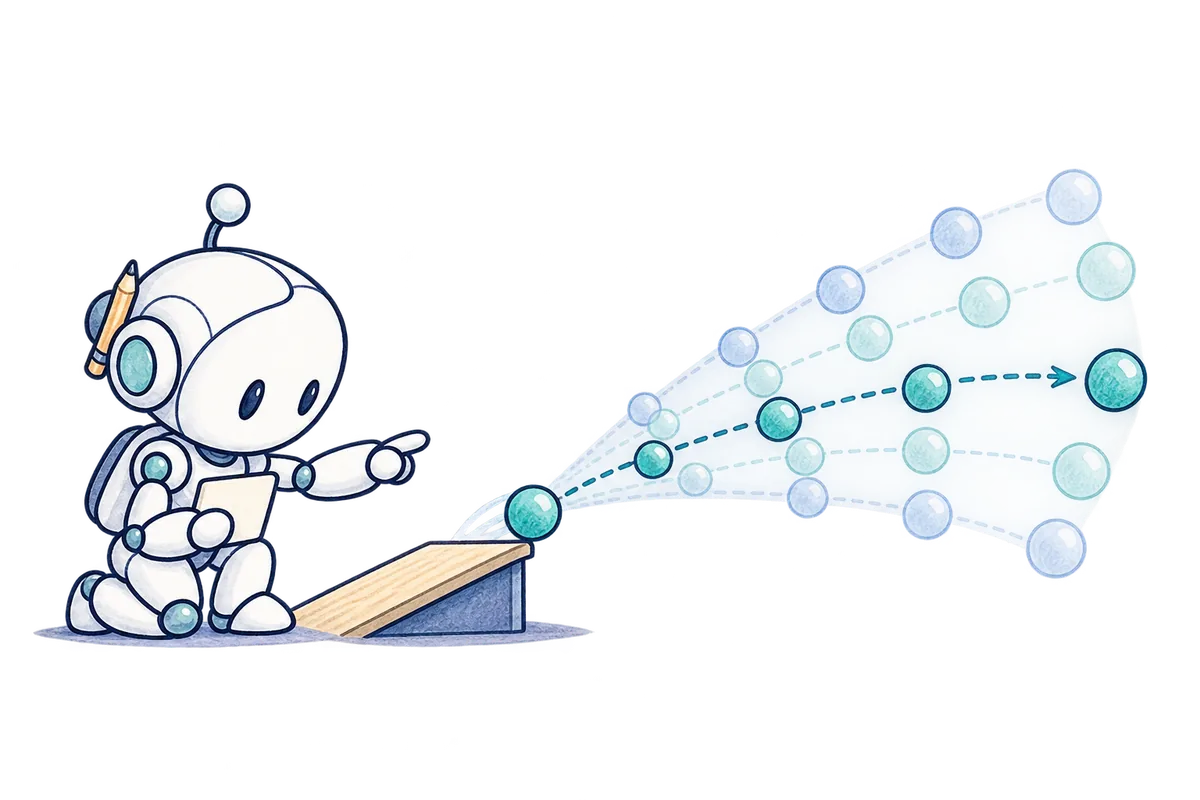
We study what can be learned under differential privacy and how much data it takes. Our work connects algorithms with lower bounds to understand the trade-off between privacy and accuracy.
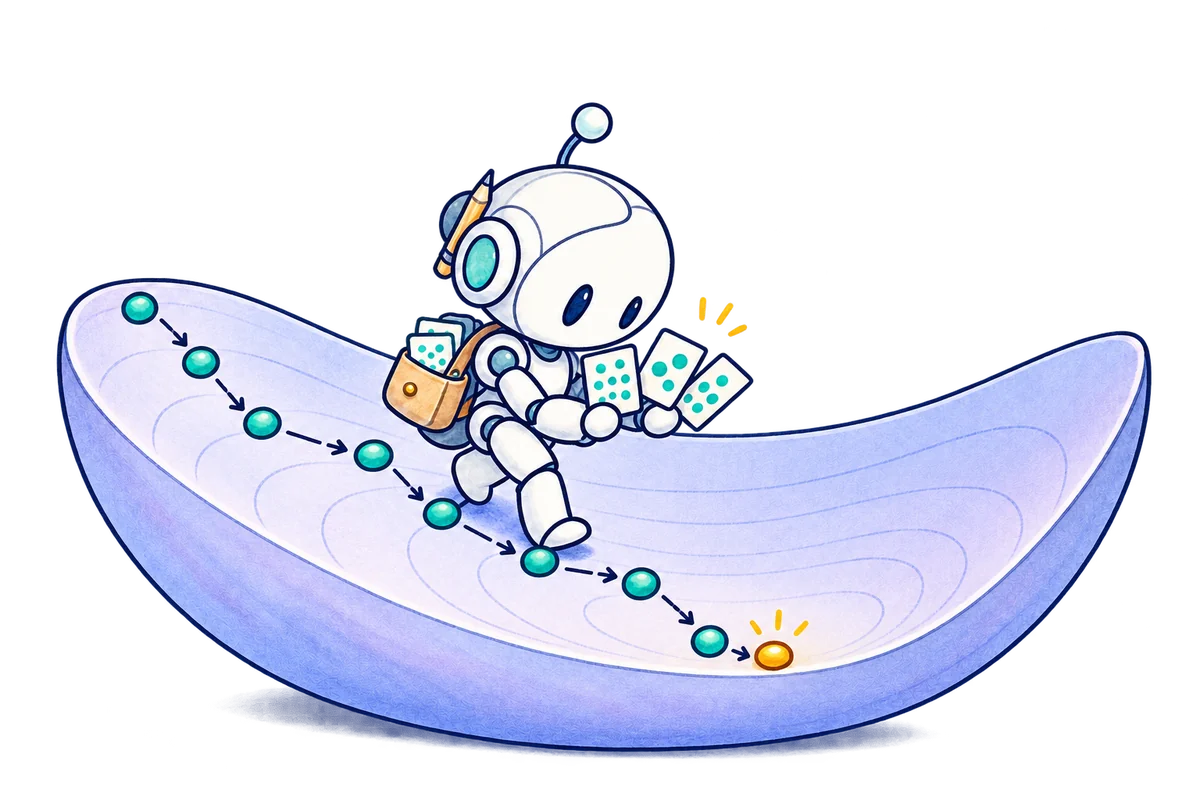
Inverse adversarial examples help a smaller student learn a teacher’s robustness.
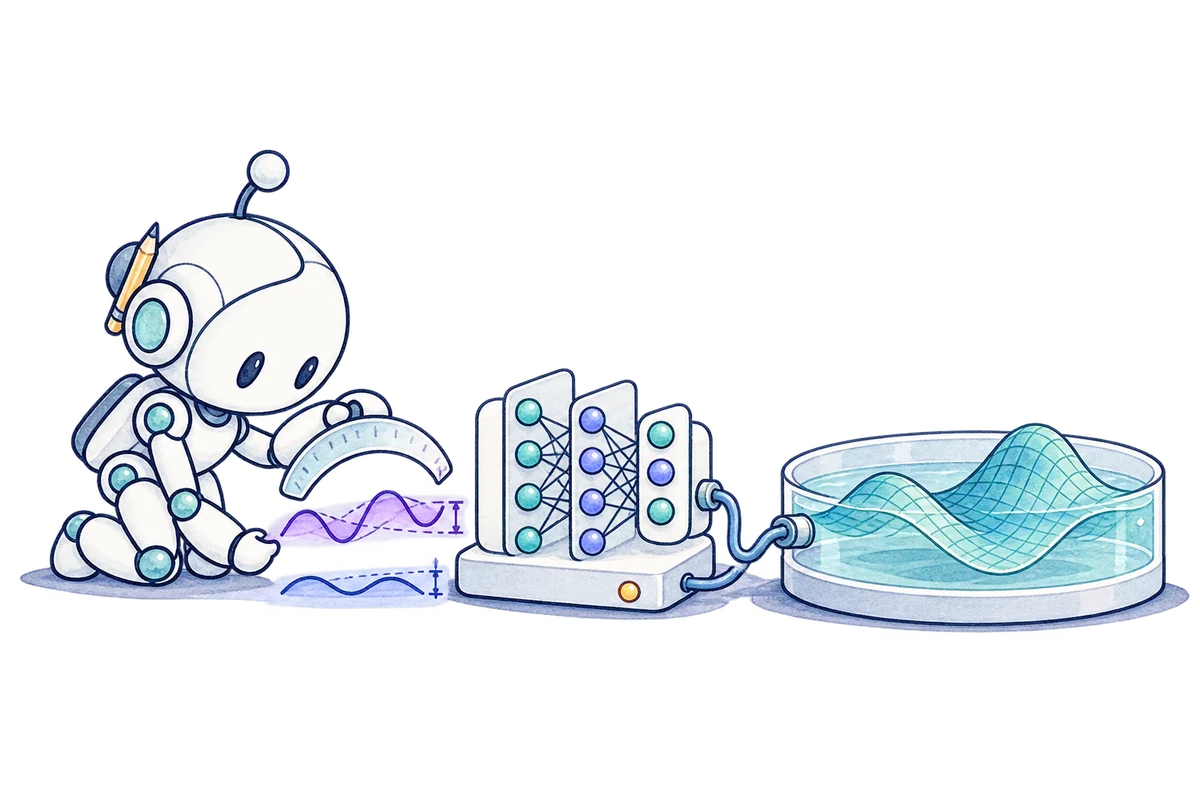
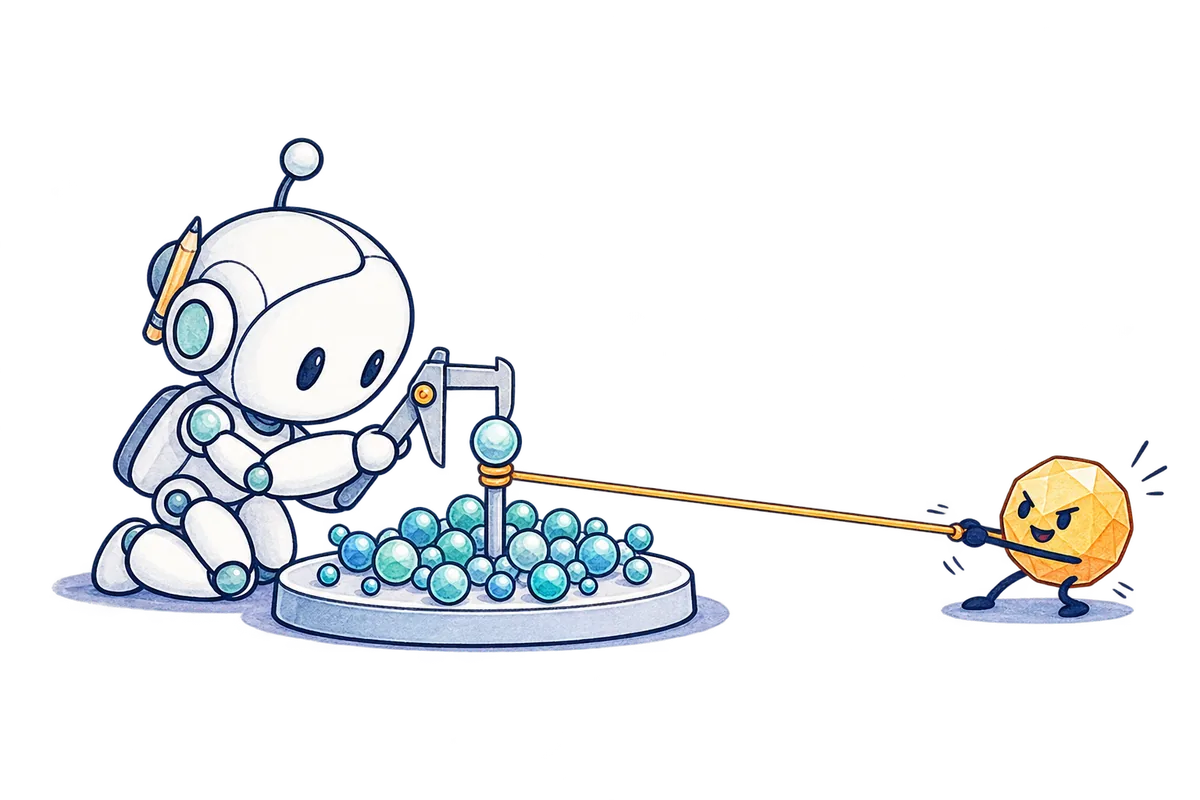
Penalizing residual curvature to improve how neural networks solve differential equations.
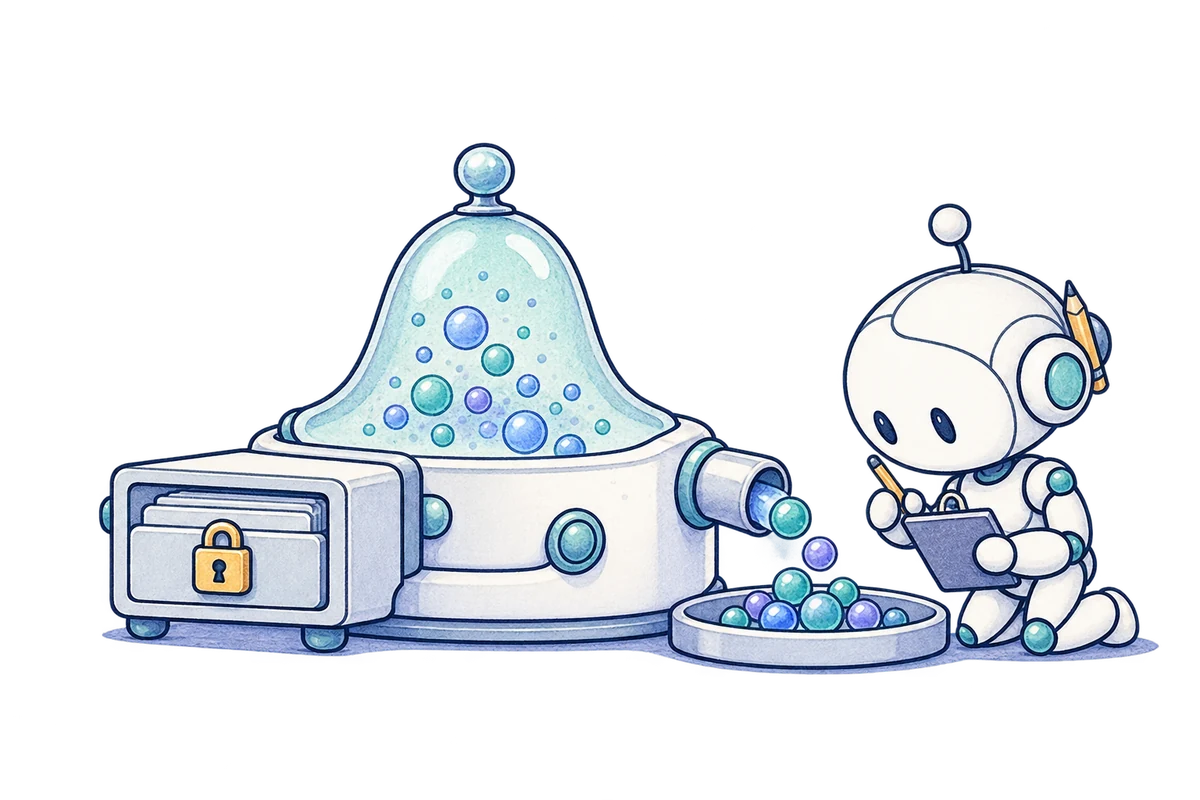
Private synthetic data with error guarantees that adapt to intrinsic geometry.
How much data do we need to privately generate a batch of Gaussian samples?
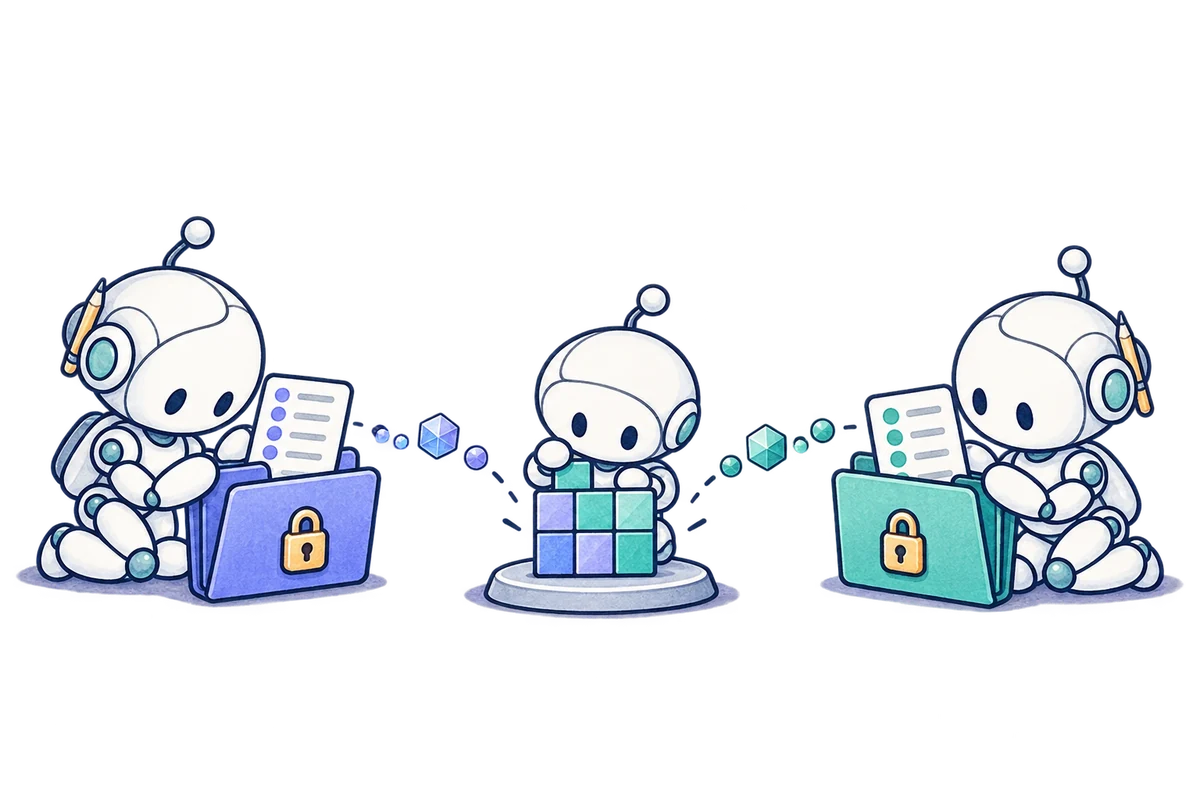
Private covariance estimation when different parties hold different features.
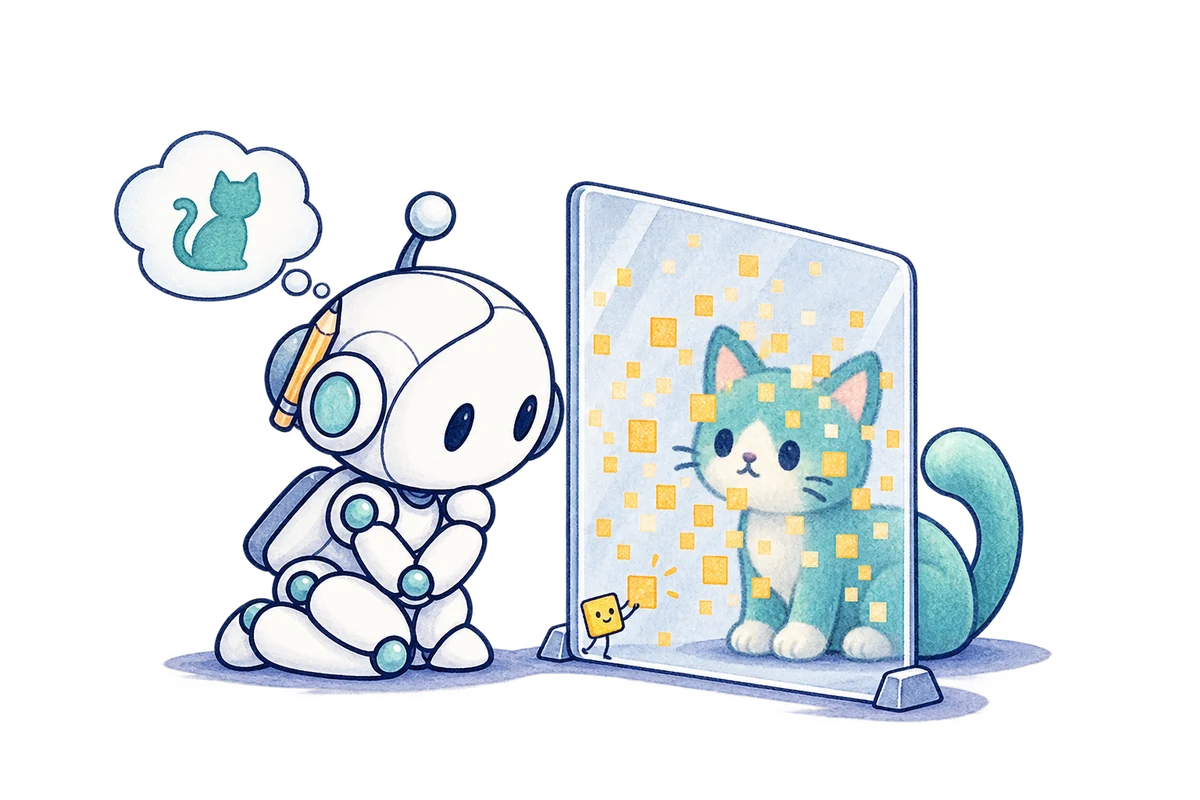
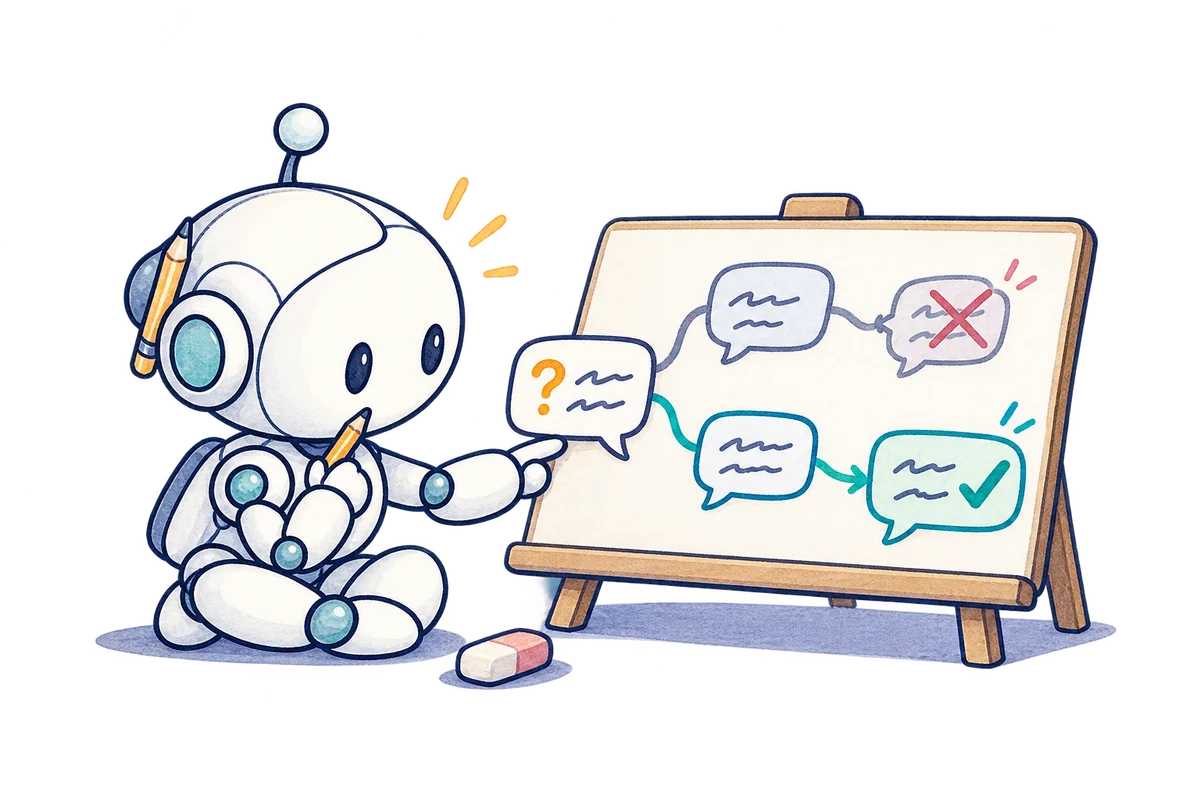
Why small batches early in training can reduce reliance on spurious correlations.

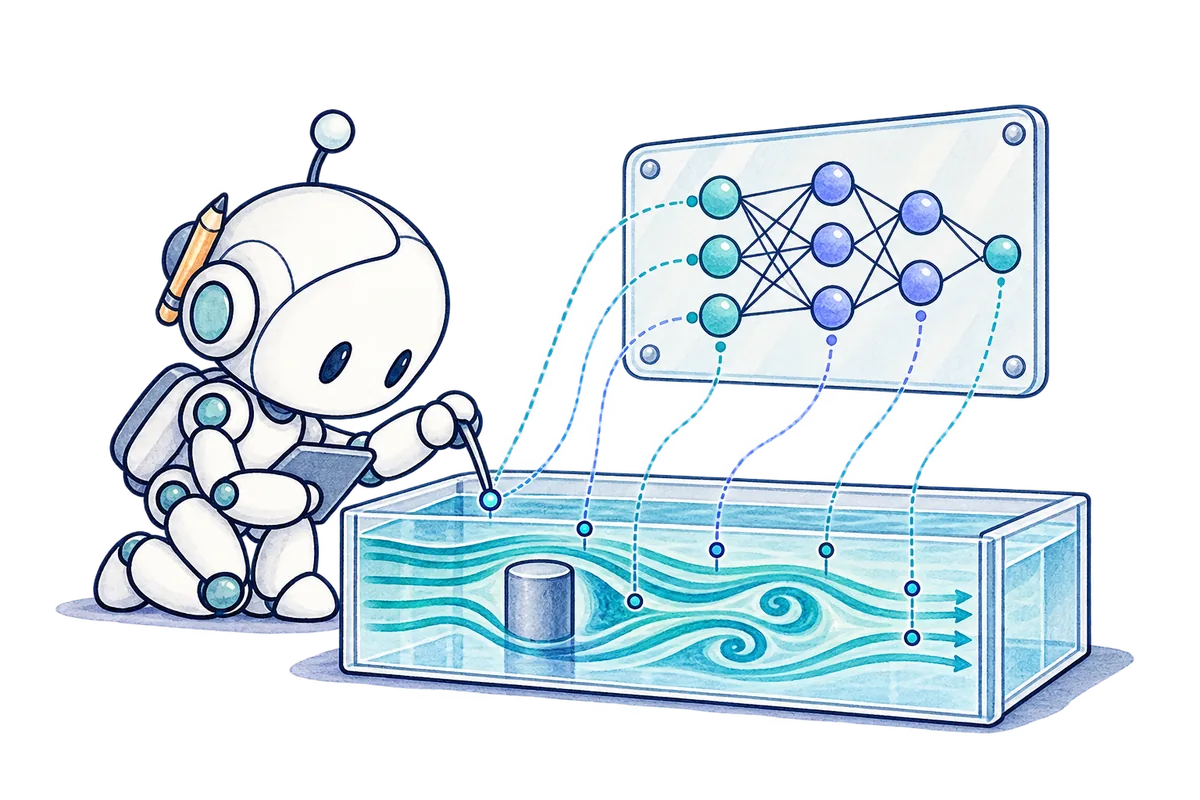
I’m working on graph neural networks that use the structure of conventional numerical solvers to predict fluid motion. The goal is to take larger time steps than the solvers can reliably take on their own, while keeping predictions accurate over long periods. Taking fewer steps would make these simulations less expensive.
With Prof. Olga Fink

Developed a geometry-adaptive algorithm for differentially private synthetic data. It uses the data’s intrinsic structure to improve accuracy and reduce computation, with stronger error guarantees than methods governed by the ambient dimension.
Geometry-Adaptive Mechanisms for Private Synthetic Data
With Dr. Amir Reza Asadi

Worked on robust prompt tuning, superalignment, and task arithmetic, studying their connections to adversarial robustness. I examined when adapting a model to a new task or objective preserves its robustness, and when it makes the model easier to attack.
With Prof. Yew-Soon Ong
Worked on transferring adversarial robustness from teacher models to smaller students through robust knowledge distillation. This work was published in IEEE TPAMI.
Allies Teach Better Than Enemies: Inverse Adversaries for Robust Knowledge Distillation
Also worked on two projects in adversarial robustness:

M.Sc. in Computer Science
2024 – present
Master’s thesisMinimax-Optimal Private Multi-Sampling from Gaussian Distributions

B.Sc. in Computer Science
2018 – 2023
Bachelor’s thesisA Survey on Differentially Private Algorithms
B.Sc. in Mathematics
2019 – 2023
Model geometry
Data selection
Audio models
Vision & language
All grades out of 20
Contact